
Silicone kitchen utensils have become increasingly popular for modern cooking due to their heat resistance, flexibility, and non-toxic properties. However, many consumers still have questions about their safety, durability, and performance. This FAQ guide explores the advantages, limitations, certifications, and health considerations of food-grade silicone utensils to help you make informed, confident kitchen choices.
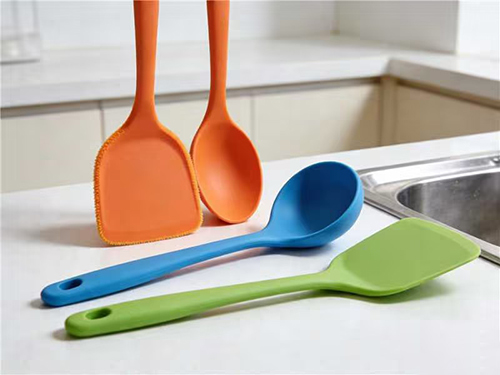
Q1:What Are the Disadvantages of Silicone Kitchen Utensils?
While silicone kitchen utensils offer many advantages, they also have several limitations that consumers should consider:
Not suitable for direct open flames: Prolonged exposure to open fire or heating elements can cause discoloration, surface damage, or deformation.
Durability concerns: Low-quality silicone utensils may crack, harden, or retain grease and odors over time.
Softness affects performance: Because silicone is flexible, it may not be ideal for tasks requiring rigidity, such as flipping heavy foods. In these cases, stainless steel cooking utensils perform better.
Higher cost: Premium food-grade silicone utensils can be more expensive than plastic or wooden alternatives.
Q2: What Should You Do Before Using Silicone Utensils for the First Time?
Before first use, proper preparation ensures safety and longevity:
Clean before first use: Wash with warm water and mild dish soap to remove manufacturing residues.
Check material quality: Always confirm the product is made from 100% food-grade silicone and certified by FDA or LFGB standards.
Avoid direct flame contact: Keep silicone utensils away from open flames or exposed heating elements.
Routine care: Avoid prolonged soaking in hot oil or greasy liquids to extend lifespan.
Heat resistance awareness: High-quality silicone typically withstands 400–500°F (204–260°C) without chemical breakdown.
Q3: Does Silicone Release Chemicals When Heated?
Food-grade silicone: When made from certified materials, silicone does not release harmful chemicals within normal cooking temperatures (-40°F to 450°F / -40°C to 232°C).
Low-quality silicone: Products containing fillers or plastic additives may emit unwanted chemicals under high heat.
Certified silicone is non-toxic, BPA-free, and chemically inert, meaning it does not react with food or heat.
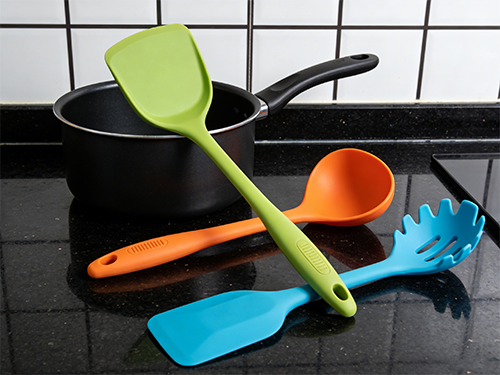
Q4: What Should You Look for When Buying Silicone Cooking Utensils?
When selecting high-quality silicone cooking tools, consider the following factors:
Material certification: Look for FDA-approved or LFGB-certified silicone, which meets strict food-contact regulations.
Heat resistance: Ensure the utensils are rated for high-temperature cooking.
Quality design: Seamless or one-piece construction improves hygiene and durability; non-slip handles enhance control.
Intended usage: Choose the right tools—silicone spatulas, spoons, brushes, or full utensil sets—based on your cooking needs.
Safety labels: Terms like “Dishwasher Safe”, “BPA-Free”, and “Food-Grade Silicone” indicate trusted quality.
Brand reputation: Established manufacturers with positive reviews usually deliver better performance and safety.
Q5: Are Silicone Kitchen Utensils Safe for Your Health?
Yes. Food-grade silicone kitchen utensils that comply with FDA or LFGB standards are:
Non-toxic
BPA-free
Free from heavy metals and plasticizers
Health benefits include:
Non-scratching surfaces protect non-stick cookware coatings, reducing exposure to harmful residues.
Smooth, non-porous designs resist bacterial growth and are easy to clean.
⚠️ Avoid low-grade silicone products, as they may degrade under high heat and release additives. Always verify certifications before purchase.
Q6: What Is the Healthiest Material for Kitchen Utensils?
Each material has strengths, but the healthiest choice depends on usage:
Food-grade silicone utensils: Heat-resistant, non-stick, flexible, and safe for cooking, baking, and serving.
304 stainless steel (18/8): Extremely durable, corrosion-resistant, and ideal for high-heat or heavy-duty tasks.
Wooden utensils: Natural and safe but can absorb moisture and bacteria if poorly maintained.
Ceramic utensils: Non-toxic and heat-resistant but fragile and less suitable for intensive cooking.
👉 Best practice: A combination of food-grade silicone and 304 stainless steel utensils offers the optimal balance of safety, functionality, and long-term durability.
|
|
|
|


Q7: What is Safer, Silicone or Stainless Steel?
A: Both are safe but are suited for different situations.
Feature | Silicone Kitchen Utensils | Stainless Steel Cooking Utensils |
Heat Resistance | High; ideal for frying, baking, and general cooking | Very high; best for searing, frying, and boiling |
Cookware Protection | Gentle on non-stick pans, won’t scratch | Can scratch non-stick surfaces; better for heavy-duty cooking |
Cleaning & Hygiene | Easy to clean, non-porous, resists bacteria | Smooth surface, but seams may trap food residue |
Food Safety | Food-grade silicone, odorless, non-toxic | 304 stainless steel is safe; low-quality steel may pose risks |
Flexibility | Soft and flexible; ideal for scraping and stirring | Rigid; maintains shape for heavy or precision tasks |
Q8: What Are the Best Silicone Cooking Utensils?
A: Recommended types of silicone cooking tools include spatulas, spoons, brushes, and full utensil sets. Always ensure they are FDA or LFGB certified.
Tool Type | Recommended Use |
Silicone Spatula | Multi-functional; ideal for stirring, flipping, scraping — a must-have in every kitchen. |
Silicone Spoon / Slotted Spoon | Convenient for serving food; perfect for soups, stir-fries, stews, and more. |
Silicone Basting Brush | Ensures even application of oils and sauces during baking or grilling; no shedding bristles. |
Silicone Baking Set | Comprehensive multi-piece set; great for home baking and everyday cooking tasks. |
Q9: Are Silicone Utensils Safe?
A: Food-grade silicone utensils are highly safe:
Heat-resistant: Withstand temperatures from -40°F to 230°F (-40°C to 110°C) or higher.
Non-toxic: Free from BPA, heavy metals, and harmful chemicals.
Durable: Resistant to cracking, deformation, and aging for long-term use.
Easy to clean: Non-stick surfaces reduce the risk of bacterial buildup.
Ensure you choose certified food-grade silicone for reliable and safe kitchen tools.
Q10: How to Choose Silicone Kitchen Utensils?

A: Consider these factors:Material certification: Choose FDA or LFGB certified food-grade silicone.
Heat tolerance: Ensure the utensil withstands frying, baking, or grilling temperatures.
Flexibility and firmness: Soft enough to protect cookware but sturdy for stirring and scraping.
Safety and eco-friendliness: Odorless and free from harmful chemicals.
Ease of cleaning: Look for smooth, easy-to-clean surfaces, suitable for hand washing or dishwashers.
Design and size: Match the tool to your needs — e.g., spatula width or spoon capacity.
Q11: What Certifications Do Silicone Kitchen Tools Have?
A: Common certifications include:
FDA (U.S. Food & Drug Administration): Ensures safety for food contact.
LFGB (German Food, Commodities & Feed Code): A rigorous European standard for food contact materials.
BPA Free: Ensures no harmful BPA is present.
ROHS (Environmental Compliance): Focuses on environmental friendliness and recyclability.
Q12: Can Silicone Kitchen Utensils Be Washed in a Dishwasher?
A: Yes, most food-grade silicone utensils are dishwasher-safe. Follow manufacturer instructions for proper care. Silicone spoons, spatulas, brushes, and baking molds can be easily cleaned in the dishwasher.
Q13: How to Hand Wash Silicone Utensils
Rinse with warm water to remove food residue.
Wash with mild dish soap, paying attention to crevices in spoons, brushes, or spatulas.
Rinse thoroughly and air dry or towel dry.
Q14: Do Silicone Utensils Retain Odors?
A: High-quality food-grade silicone does not typically absorb odors. For residual smells, soak in warm water with baking soda or vinegar for 10-15 minutes, then rinse thoroughly.
Q15: What to Watch for After Using Silicone Brushes or Spoons?
Avoid soaking in oil or sugary liquids for long periods to prevent discoloration or aging. Inspect surfaces regularly for cracks or damage; replace if compromised.
Q16: Tips for Cleaning Silicone Kitchen Tools
Boiling water sterilization: Occasionally pour boiling water over the utensils to disinfect.
Avoid abrasive scrubbers: Steel wool can scratch the surface and shorten the lifespan.
Air dry in a ventilated area: Keeping utensils dry prevents bacterial growth.
Q17: Are Silicone Cooking Utensils Non-Toxic?
A: Yes, food-grade silicone utensils are non-toxic and meet FDA and LFGB standards. They do not release BPA, phthalates, or heavy metals, making them safe for everyday use.
Q18: How to Ensure Silicone Utensils Are Non-Toxic?
Check for certifications: FDA, LFGB, BPA-Free labels.
Buy from reputable brands: Look for verified food-grade silicone products.
Inspect odor and appearance: Premium silicone is odorless and free from chemical smells.
Q19: Are Low-Quality Silicone Utensils Dangerous?
Yes. Non-food-grade or cheap silicone may contain harmful chemicals that can leach into food when heated. Always choose certified food-grade silicone kitchen tools for safety.
Q20: What Precautions Should Be Taken When Using Silicone Utensils?
Avoid direct open flame or excessive heat (>230°C) to prevent warping or chemical release.
Clean regularly to prevent oil or food residue buildup.
Replace utensils if cracks or signs of aging appear.