
According to the PPAI 2024 U.S. Distributors' Promotional Products Sales Volume Report, the total U.S. promotional products market reached approximately $26.78 billion in 2024. The report further highlights a rise in sustainable promotional products, with their share of total sales climbing from about 10-11% to 12-13%—now at 13.77% ($3.69 billion), reflecting a 20% year-over-year growth. For businesses aiming to cultivate a green brand image and appeal to eco-conscious consumers and clients, this surge underscores the growing demand and stability for eco-friendly swag solutions in promotional marketing.
Common Types of Eco-Friendly Promotional Products
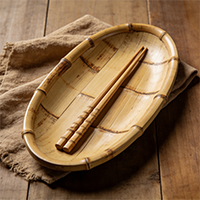
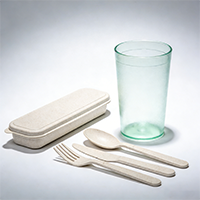
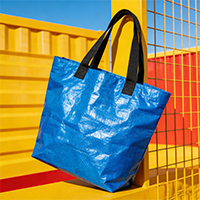
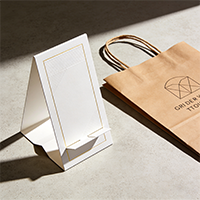
(Suggested: Incorporate product images or real-life displays for enhanced visual appeal and engagement.)
(1) Office/Lifestyle Essentials
- Bamboo pens, biodegradable notebooks, recycled paper folders
- Reusable tumblers, stainless steel straws
- Eco-bags, tote shopping bags

(2) Outdoor/Daily Use Items
- Bamboo fiber utensils, compostable meal containers
- Eco-phone cases, plant-based fiber USB drives
- Solar-powered mini fans, energy-efficient LED lights

(3) Automotive/Travel Accessories
- Biodegradable or recycled material car coasters
- Sustainable fabric vehicle organizers

Why Eco-Friendly Promotional Products Matter: Key Benefits for Sustainable Marketing
(1) Elevating Brand Perception: Conveying Sustainability for Enhanced Goodwill Eco-gifts transmit eco-values, boosting brand affinity through premium, tactile quality that signals professionalism and sophistication in green branding strategies.
(2) Aligning with Policies and Societal Shifts: Meeting Eco-Preferences and Regulations These align with low-carbon policies and client demands for sustainability. As consumers and B2B partners prioritize ESG, eco-friendly corporate gifts tap into green consumerism; in regulated sectors, they ensure compliance with environmental standards.
(3) Practicality and Sustained Visibility: Durable Materials for Ongoing Brand Recall Sustainable promo items endure daily use, extending logo exposure—unlike disposables, fostering repeated interactions and higher promotional products ROI.
(4) Building Consumer Trust: Standing Out in a Crowded Market Buyers favor eco-committed brands; unique green swag differentiates, creating compelling unique selling propositions (USPs) amid commoditized giveaways.
Common Eco-Materials: Features and Applications
| Material | Key Features | Suitable Products | |
| Bamboo | Natural, renewable, biodegradable; fast-growing and versatile | Stationery, utensils, coasters |
| PLA (Plant-Based Corn Starch) | Biodegradable, lightweight, durable, non-toxic, highly moldable | Utensils, eco-bags, packaging |
| Recycled Plastic (rPET) | Made from post-consumer recyclables; reduces waste, eco-efficient | Bottles, stationery, USB casings, tumblers, shopping bags, pens, portable cutlery |
| Recycled Paper/Kraft | From recycled fibers; customizable printing, recyclable | Notebooks, packaging bags, folders |
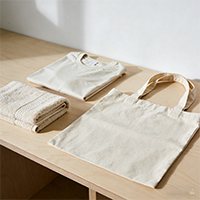
| Organic Cotton/Hemp | Natural fibers, biodegradable, reusable, soft texture | Eco-bags, totes, tea towels, kitchen cloths |
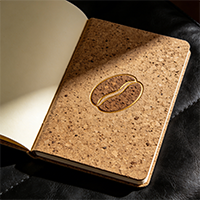
| Coffee Grounds | Biodegradable, upcycled waste; unique texture | Pens, tumblers, keychains, notebook covers, utensils |
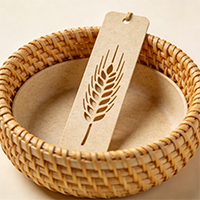
| Wheat Straw | Lightweight, moldable, eco-derived from agricultural byproducts | Utensils (bowls, plates, spoons, chopsticks), cups, pens, meal boxes, totes, accessories |
Frequently Asked Questions: Addressing Concerns in Eco-Promotional Gifting
Q: Price vs. Sustainability—Are Eco-Materials More Expensive Than Conventional Ones? A: Not necessarily. While some eco-materials (e.g., organic cotton, PLA, bamboo) incur slightly higher raw costs, matured supply chains and bulk orders narrow the gap. Premium designs and custom packaging impact more; smart production yields cost-effective sustainable promotional products rivaling standard options, with superior value in branding and retention, as per SellersCommerce's 2025 Promotional Products Statistics where 46% of consumers prefer eco-swag.
Q: Are Eco-Materials Durable and Easy to Clean? A: Most balance durability and maintenance, varying by type:
- Bamboo/grounds: Everyday-friendly but avoid prolonged soaking; hand-wash recommended.
- Organic cotton/hemp: Machine- or hand-washable; longevity ties to density and care.
- PLA/bio-plastics: Withstand light impacts but deform under heat/fire; rinse or wipe clean.
Q: Do Eco-Promotional Products Have Biodegradable or Certification Standards? A: Yes, many carry verified credentials for eco-integrity:
- FSC (Forest Stewardship Council): Ensures sustainable forest sourcing for paper/wood.
- OK Compost / EN 13432: Confirms industrial compostability for bioplastics.
- Other notables: GOTS (Global Organic Textile Standard) for natural textiles; BPI Certified Compostable for North American biodegradables; ISO 14000 for enterprise environmental management.
Q: What is PET Plastic? What is rPET? A: PET (Polyethylene Terephthalate) is a versatile thermoplastic: lightweight, clear, robust; heat/chemical-resistant; common in bottles, packaging, and consumer plastics. Recyclable yet petroleum-based, it poses environmental concerns. rPET (Recycled PET) repurposes post-consumer PET (e.g., bottles) into new materials: eco-sustainable by curbing waste and fossil reliance; mirrors virgin PET properties for packaging, swag, tumblers, and bags. It embodies green marketing initiatives, signaling corporate eco-commitment to clients.